RHEUM WITH A VIEW- Perspectives on Rheumatological conditions

Dr Dzifa Dey • November 12, 2024

Rheum What?

Rheumatology is a branch of medicine devoted to diagnosis and treatment of rheumatic diseases. But no we don’t deal with only old ladies with bad knees. And it’s not “sickle cell rheumatism” either. Our form of rheumatism affects both young and old alike.


The prefix “rheuma,” meaning “flux” or “to flow,” was first used by a Greek physician 2000 years ago, referring to the flow of phlegm, but rheumatology has nothing to do with the flow of phlegm either !

Physicians who specialize in rheumatology are called rheumatologists. Rheumatologists deal mainly with medical conditions affecting joints, soft tissues, autoimmune diseases, autoinflammatory and heritable connective tissue disorders. These are a wide variety of illnesses that may affect many different organs. Most of these diseases do not have a well-defined cause which makes rheumatology an interesting field to study. You have to be adept in all specialties of medicine.


Immune system and the joints?

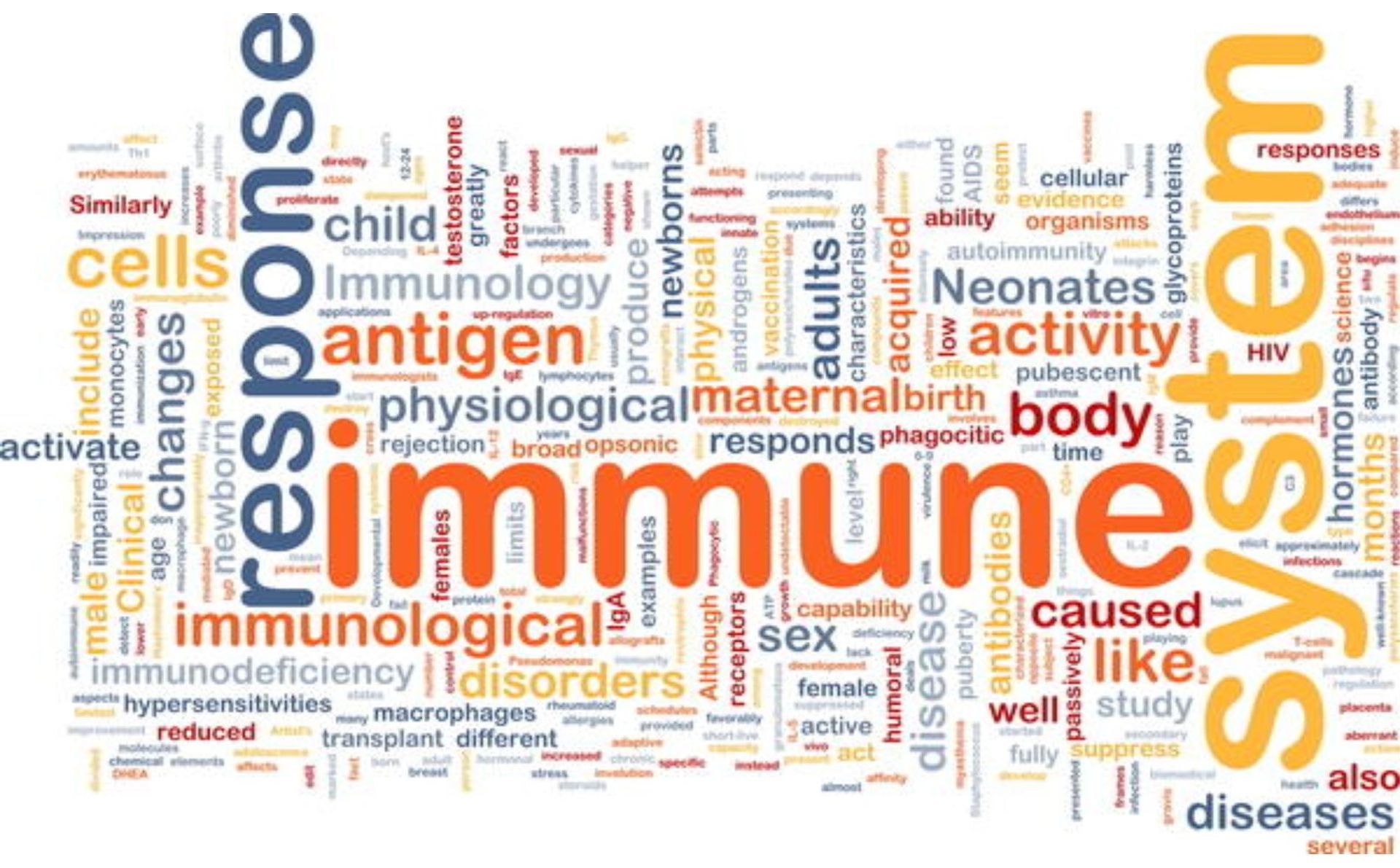
Rheumatology is progressively more becoming the study of immunology that is how the body’s immune system (the defence mechanism of the body) works.

Many diseases are now known to be disorders of the immune system including narcolepsy (excessive sleeping) and even infertility may have an autoimmune basis.


Autoimmune diseases occur when the body’s disease fighting cells gets confused and attacks itself instead of defending it. Some of these are very serious diseases that can be difficult to diagnose and treat because of the lack of awareness about these conditions. While autoimmune conditions are not well known or understood, it is far more common than better known diseases such as leukaemia, sickle cell disease, breast cancer and HIV all combined. Without early diagnosis and treatment, they can be severely devastating, even deadly.
There are more than 100 types of rheumatologic diseases, including autoimmune diseases like rheumatoid arthritis, systemic lupus erythematosus (lupus), psoriatic arthritis, spondyloarthro-pathies, polymyalgia rheumatic, Sjogren’s syndrome, antiphospholipid syndrome, scleroderma; and vasculitis; musculoskeletal pain disorders; back and neck pain, tendinitis, bursitis, nerve impingements (sciatica, cervical radiculopathy, carpal tunnel syndrome); osteoarthritis; osteoporosis and osteopenia; gout; fibromyalgia; and Lyme arthritis, as well as problems related to musculoskeletal system such as sports related soft tissue disorders.


What to expect?

In the coming weeks in this column which I have rechristened “Rheum with a View”, I would collaborate with The Rheumatology Initiative, tRi Ghana, a non-profit organisation dedicated to providing education, advocacy and research into the autoimmune rheumatic conditions to increase awareness, provide information, tips and the latest advances in the care of people with autoimmune rheumatic diseases, with special focus on young and adolescent persons with these conditions.


We shall share with you on the column, education on Rheumatologic conditions, stories of people living with these conditions and tips and useful information to get a solid grasp on handling daily living with these conditions to thrive.


Come and let’s get a view on a Rheumy side of the world.
By tRi Ghana February 14, 2026
This Valentine’s month, learn how compassion, awareness, and community support can improve the lives of people living with rheumatic conditions in Ghana.
A person sleeping peacefully, symbolizing the connection between sleep and managing RA symptoms.
By tRi Ghana February 2, 2026
February is Rheumatoid Arthritis Awareness Month. Learn how sleep affects rheumatoid arthritis, and practical tips to improve rest and quality of life.
fireworks to celebrate the new year
By Prof Dzifa Dey January 1, 2026
tRi Ghana wishes you a healthy 2026! Prioritize your wellbeing with our latest updates and community initiatives. Here’s to an amazing year of wellness and growth.
Santa rocking out and playing a Christmas tree like an electric guitar.
By tRi Ghana December 25, 2025
Raising awareness and compassion for people living with rheumatic conditions in Ghana this Christmas season.
By tRi Ghana November 19, 2025
On International Men’s Day , we take a moment at The Rheumatology Initiative (tRi Ghana) to recognise an often-overlooked group: men living with autoimmune rheumatic diseases . Whether it’s rheumatoid arthritis, lupus, or other chronic conditions, men face unique challenges in both diagnosis and support. Breaking the Silence on Male Rheumatic Conditions Autoimmune diseases are often perceived as “women’s diseases,” but men are affected too. This misconception can delay diagnosis, as symptoms may be dismissed or misattributed. On this special day, tRi Ghana calls on everyone to raise awareness about rheumatic conditions in men, encouraging early screening and better education. The Importance of Support Living with a chronic disease is difficult—physically, emotionally, socially. For men, social stigma or cultural expectations about strength may make it harder for them to ask for help. tRi Ghana provides vital support through peer groups, education, and information, empowering men to seek help, share their experiences, and build resilience. tRi Ghana’s Role Since our founding in 2012, tRi Ghana has offered education, advocacy, and research into autoimmune rheumatic conditions. Our support groups, such as Rheusolute , create safe spaces for people—including men—to connect, share stories, and learn management strategies. Our patient assistance programme also helps with financial and medical support, covering discounted medication and free medical consultations to ensure all patients—regardless of gender—receive care. Encouraging Men to Advocate for Their Health On International Men’s Day, we urge men to listen to their bodies: if you experience persistent joint pain, stiffness, or fatigue, don’t ignore it. Advocate for your health by seeking a rheumatologist, asking for blood tests, and joining a support network. At tRi Ghana, we welcome you with open arms. Highlighting Role Models This day, we celebrate men who courageously live with rheumatic disease and also those who support loved ones in their journey. Your bravery, openness, and perseverance inspire others—and drive our work. How You Can Help Raise awareness : Share stories of men affected by rheumatic conditions on social media, using #InternationalMensDay and #RheumaticHealth . Support tRi Ghana : Donate to fund medication, research and patient support. Join our community : Attend support groups for men, or bring a male friend or family member to a session. We meet monthly and welcome all. A Message of Hope To the men living with these conditions: you are not alone. tRi Ghana stands with you. On International Men’s Day, let’s acknowledge your strength—and commit to a future where your health is seen, valued, and supported.
By tRi Ghana October 14, 2025
tRi Ghana introduces Rheuma Connect, Ghana’s first digital platform for managing rheumatic and autoimmune diseases. Download the app and take charge of your health.
A butterfly settled on a leaf
By tRi Ghana September 1, 2025
Rheumatic and musculoskeletal diseases are more prevalent in Ghana than many realize, often leading to chronic pain and disability. At The Rheumatology Initiative (TRI) Ghana, our mission is to bring hope and support to those affected by these conditions. Through education, advocacy, and patient support, we are working to improve the quality of life for countless individuals and their families. Rheumatic diseases, such as arthritis, can impact anyone, regardless of age or background. A lack of awareness often leads to late diagnosis and inadequate treatment, compounding the challenges faced by patients. Our work focuses on closing this gap by providing accurate information, connecting patients with expert care, and offering support groups where individuals can share their stories and find strength in community. By raising awareness, we can help people recognize symptoms earlier and seek the medical attention they need. We advocate for better access to rheumatological care across Ghana and work with healthcare professionals to enhance their knowledge and skills. Your support, whether through volunteering, donations, or simply sharing our message, is crucial. Together, we can build a future where rheumatic diseases are no longer a silent struggle, but a manageable condition for all.
A woman lying down in pain
By tRi Ghana August 11, 2025
Rheumatic diseases, which include conditions like rheumatoid arthritis, are a significant health challenge across Africa. They are often misunderstood and underdiagnosed, leading to delayed treatment and poor health outcomes. Educating the public and healthcare professionals is a crucial first step in addressing this issue. Awareness campaigns and educational programs are essential for helping people recognize the symptoms and seek help early. For individuals living with these conditions, support extends beyond medical treatment. The chronic and often debilitating nature of rheumatic diseases means that patients also need emotional, psychological, and social support . A holistic approach to patient care is vital, providing resources and guidance to help individuals manage their condition and maintain a good quality of life. This can include establishing support groups where patients can connect with others who understand their journey, as well as providing access to patient assistance programs for treatment. The work of dedicated organizations is key to building this support infrastructure. By bringing together a diverse team of professionals, from doctors and counsellors to community leaders, they can create a comprehensive network of care. Their efforts not only raise awareness but also build a resilient community for patients, offering hope and a sense of belonging. The ultimate goal is to empower individuals to live full and active lives, despite their diagnosis. To learn more visit: www.trighana.org
A mother and her son and daughter
By tRi Ghana July 24, 2025
For families in Ghana, receiving a diagnosis of Juvenile Idiopathic Arthritis (JIA) can feel overwhelming. Questions about treatment, lifestyle changes, and the future often come all at once. At tRi Ghana, we believe that knowledge is empowerment — and that children with JIA can thrive when families have the right tools and support. The Emotional Journey Hearing that your child has a chronic illness can be emotionally challenging. It’s normal to feel fear, sadness, or even guilt — but remember: JIA is nobody’s fault . Support from other parents and patient groups can make the journey less isolating. Treatment Options While there’s no cure for JIA, treatments can control symptoms and prevent long-term joint damage. These may include: Nonsteroidal anti-inflammatory drugs (NSAIDs) to reduce pain and swelling Disease-modifying antirheumatic drugs (DMARDs) to slow disease progression Biologic agents for children who don’t respond to other treatments Physical therapy to maintain flexibility and strength Treatment plans should be tailored to each child’s needs, with regular check-ups to monitor progress. Daily Life Tips for Children with JIA Stay active – Low-impact activities like swimming or cycling keep joints moving. Balanced diet – Anti-inflammatory foods such as fruits, vegetables, and omega-3-rich fish can help overall health. Good sleep routine – Rest is essential for healing and energy. School support – Teachers should understand your child’s needs, including rest breaks or adapted physical education. The Role of Family and Community Living with JIA isn’t just about medical care — it’s about creating a supportive environment where the child feels capable and included. Family encouragement, community understanding, and peer friendships all contribute to better outcomes. JIA Awareness in Ghana In many Ghanaian communities, awareness is still low. By talking openly about JIA, sharing information on social media, and attending tRi Ghana’s support events, you’re helping to break the silence and stigma. Final Message A JIA diagnosis is not the end of childhood dreams. With proper care, children can play, learn, and grow just like their peers. This July, as we mark Juvenile Arthritis Awareness Month , let’s unite to ensure no child’s potential is limited by delayed diagnosis or lack of support.
Sun shining bright in the sky
By tRi Ghana July 3, 2025
Every July, the world comes together to raise awareness for Juvenile Idiopathic Arthritis (JIA) – a chronic condition that affects children and young people under the age of 16. In Ghana, awareness is especially important because rheumatic diseases are often misunderstood, underdiagnosed, or mistaken for temporary joint injuries. What Is Juvenile Idiopathic Arthritis? Juvenile Idiopathic Arthritis is the most common type of arthritis in children. “Idiopathic” means the cause is unknown, and “arthritis” refers to inflammation of the joints. JIA isn’t just about occasional aches — it’s an autoimmune condition where the immune system mistakenly attacks the body’s own tissues, leading to pain, swelling, and stiffness. Common Symptoms Persistent joint pain, swelling, or warmth Morning stiffness that improves during the day Fatigue and low energy Eye inflammation (in some types of JIA) Reduced physical activity or reluctance to walk/play These symptoms may come and go, making it difficult for parents and doctors to identify the condition early. Why Early Diagnosis Matters If left untreated, JIA can cause joint damage, growth problems, and in some cases, long-term disability. Early diagnosis and treatment are essential for: Preventing irreversible joint damage Maintaining a child’s mobility and quality of life Reducing the risk of complications such as vision problems At tRi Ghana, we advocate for early screening , especially when symptoms persist for more than six weeks. Breaking the Myths in Ghana Many people believe arthritis is a condition for the elderly — this misconception leads to delayed treatment for children. Some also turn to unverified herbal remedies before seeking medical advice, which can delay effective care. Education is the first step in changing this narrative. How You Can Help This July Spread the word about JIA in your community. Encourage parents to seek medical advice early if their child has persistent joint issues. Support tRi Ghana’s awareness programs through donations or volunteering. This July, let’s commit to making sure every child with JIA gets the diagnosis, treatment, and support they need to live a full and active life.