Living with Autoimmune Rheumatic Diseases in Ghana: Why Early Recognition and Support Matter
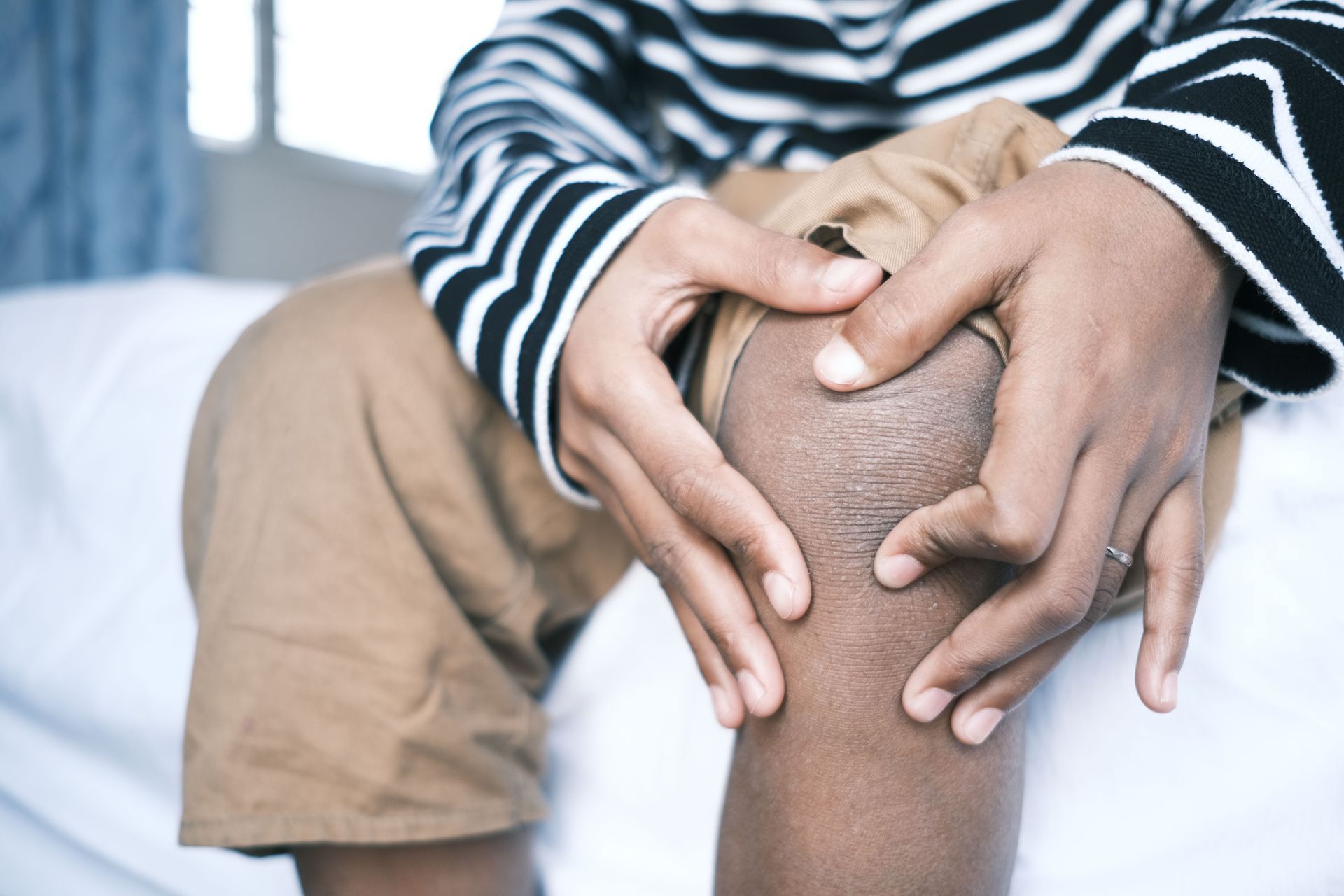
For many people living in Ghana, persistent joint pain, unexplained fatigue, swelling and recurring physical discomfort may initially appear to be ordinary health problems. Some may attribute these symptoms to ageing, physical activity, stress or the demands of everyday work. Others may seek treatment for individual symptoms without realising that they could be connected to an underlying autoimmune or rheumatic condition.
Autoimmune rheumatic diseases can affect different parts of the body and may have a significant impact on a person's ability to study, work, maintain relationships and participate in everyday activities. Conditions such as rheumatoid arthritis, systemic lupus erythematosus and other connective tissue diseases require appropriate medical assessment and ongoing management. September provides an opportunity to renew conversations about early recognition, access to specialist care and the importance of supporting people living with these conditions.
At The Rheumatology Initiative (tRi) Ghana, our commitment is to improve understanding, encourage advocacy and empower individuals and families affected by autoimmune rheumatic diseases.
Understanding Autoimmune Rheumatic Diseases
The immune system normally protects the body against infections and other harmful substances. In autoimmune conditions, however, the immune system mistakenly attacks healthy tissues. The effects depend on the particular condition and the organs or tissues involved.
Rheumatoid arthritis, for example, commonly affects the joints, causing inflammation, pain, stiffness and swelling. If not appropriately managed, it can result in joint damage and reduced physical function. Systemic lupus erythematosus, commonly known as lupus, is a more complex autoimmune disease that can affect several organs, including the skin, joints, kidneys, heart and nervous system.
Other conditions, including inflammatory myositis and mixed connective tissue disease, can affect muscles and multiple body systems.
Although these conditions differ, they share an important characteristic: they require more than simply treating occasional discomfort.
Understanding the underlying disease is essential to appropriate management.
Recognising the Warning Signs
One of the difficulties associated with autoimmune rheumatic diseases is that their early symptoms may be mistaken for other health problems.
Some symptoms that deserve medical attention include:
- Persistent joint pain or swelling.
- Morning stiffness that makes movement difficult.
- Unexplained and continuing fatigue.
- Recurrent skin rashes or unusual sensitivity to sunlight.
- Muscle weakness that interferes with ordinary activities.
- Recurrent unexplained fever.
- Swelling around the joints or other parts of the body.
Not everyone will experience the same symptoms, and having one or more of these signs does not automatically mean that someone has an autoimmune disease.
However, symptoms that persist, recur or interfere with daily activities should not be ignored. Seeking medical assessment can help establish whether further investigation or specialist referral is necessary.
Why Early Diagnosis Matters in Ghana
Timely diagnosis is important because some autoimmune rheumatic conditions can cause progressive damage if they remain untreated or inadequately managed.
In Ghana, improving awareness is particularly important because symptoms may be misunderstood, and access to specialist rheumatology services can be challenging for some patients. A person experiencing persistent joint pain may initially visit different healthcare facilities without receiving a clear explanation of the underlying problem. Others may delay seeking care because they assume the symptoms will disappear.
Public education can help address these challenges. When individuals understand that prolonged joint swelling, unexplained fatigue and other recurring symptoms may require medical investigation, they are better positioned to seek appropriate assistance. Healthcare professionals also play an important role in recognising possible autoimmune conditions and arranging timely referrals.
The Financial and Emotional Impact of Chronic Illness
Living with a chronic autoimmune condition can affect far more than physical health. Regular consultations, laboratory investigations, medication and other healthcare expenses may place considerable pressure on individuals and their families. Some patients may experience interruptions to their education or careers because of fatigue, pain and unpredictable disease activity.
Young people may find it particularly difficult to explain their experiences to classmates, employers and friends who cannot see the effects of their illness.
There can also be emotional challenges associated with uncertainty, isolation and the need to adjust long-term plans. This is why patient support must extend beyond medical consultations.
The Importance of Community and Patient Support
A supportive community can make a meaningful difference to the experience of living with chronic illness. People who have similar conditions may understand challenges that are difficult to explain to others. Sharing experiences can help individuals feel less isolated while creating opportunities to learn about practical ways of navigating daily life.
At tRi Ghana, this understanding is reflected in Rheusolute, our support community for young and adolescent people living with autoimmune conditions. The community provides opportunities for members to connect, share experiences and encourage one another.
Our condition-specific groups include:
- G.L.O.W. (Global Lupus Outstanding Warriors), supporting people living with lupus.
- G.R.A.S.P. (Global Rheumatoid Arthritis Support and Platforms), supporting people with rheumatoid arthritis.
- G.E.M.M.S. (Global Empowered Myositis and MCTD Survivors), supporting people living with myositis and mixed connective tissue disease.
Through these communities, patients can build relationships with people who understand the realities of their conditions.
Empowering Patients Beyond the Consulting Room
Patient education and practical support are also important components of long-term wellbeing. tRi Ghana has developed initiatives that extend beyond awareness campaigns to include patient assistance, vocational training and support for people experiencing financial challenges associated with treatment.
These initiatives recognise that individuals living with chronic illnesses need opportunities to maintain their independence, develop skills and participate meaningfully in society. Our patient assistance programme has also supported access to medical consultations, medication and laboratory investigations for eligible patients.
Building a More Informed Future
Improving the lives of people living with autoimmune rheumatic diseases requires collaboration between patients, healthcare professionals, families, researchers, institutions and policymakers. Greater public awareness can encourage earlier medical assessment. Stronger specialist services can improve diagnosis and treatment. Patient advocacy can help bring attention to the financial and social challenges associated with chronic illness.
At tRi Ghana, we believe that no one should have to navigate an autoimmune rheumatic condition without information, understanding or support.
Our mission is to empower individuals, particularly young people and adolescents, to live fulfilling lives despite the challenges of chronic illness.
If you or someone you know is affected by an autoimmune rheumatic condition, connect with tRi Ghana to learn more about our awareness initiatives and patient support community. Visit www.trighana.org to learn more about our work.
This article is for public education and is not a substitute for professional medical assessment or treatment.