Men and Autoimmune Diseases: Breaking the Silence Around Men's Rheumatic Health
When conversations about men's health arise in November, attention often focuses on prostate cancer, testicular cancer, mental wellbeing and general preventive healthcare. While these are vital subjects, another area deserves greater recognition: men's rheumatic and autoimmune health.
Many people associate autoimmune diseases exclusively with women. Although certain conditions are indeed more common among women, men can also develop autoimmune rheumatic diseases, often with significant consequences for their physical health and quality of life. Conditions such as rheumatoid arthritis, systemic lupus erythematosus, ankylosing spondylitis and other inflammatory diseases can affect men at various stages of life. Unfortunately, persistent pain and other symptoms are frequently ignored, misunderstood or dismissed as the result of physical activity, ageing or workplace demands.
This Men's Month, The Rheumatology Initiative (tRi) Ghana encourages men to take their symptoms seriously, seek appropriate medical assessment and recognise that asking for help is an essential part of protecting their health.
Autoimmune Diseases Are Not Exclusively Women's Conditions
Autoimmune diseases occur when the immune system mistakenly attacks healthy tissues, triggering inflammation that can affect joints, muscles, connective tissues and internal organs depending on the specific condition.
While lupus and rheumatoid arthritis are more frequently diagnosed in women, men can develop both. Other inflammatory rheumatic diseases, including ankylosing spondylitis, are also critical considerations in men's health. Ankylosing spondylitis is a form of axial spondyloarthritis that primarily affects the spine and the joints connecting the spine to the pelvis, causing persistent back pain and stiffness that typically worsens after periods of rest. Together, these conditions demonstrate why rheumatic health should never be overlooked in discussions about men's wellbeing.
Symptoms Men Should Not Ignore
One of the primary challenges with autoimmune rheumatic conditions is that their symptoms often develop gradually. Men may initially assume that ongoing discomfort stems from strenuous exercise, heavy lifting, sports injuries or physically demanding work. While such activities can certainly cause musculoskeletal strain, persistent or recurring symptoms require further medical investigation.
Key warning signs include:
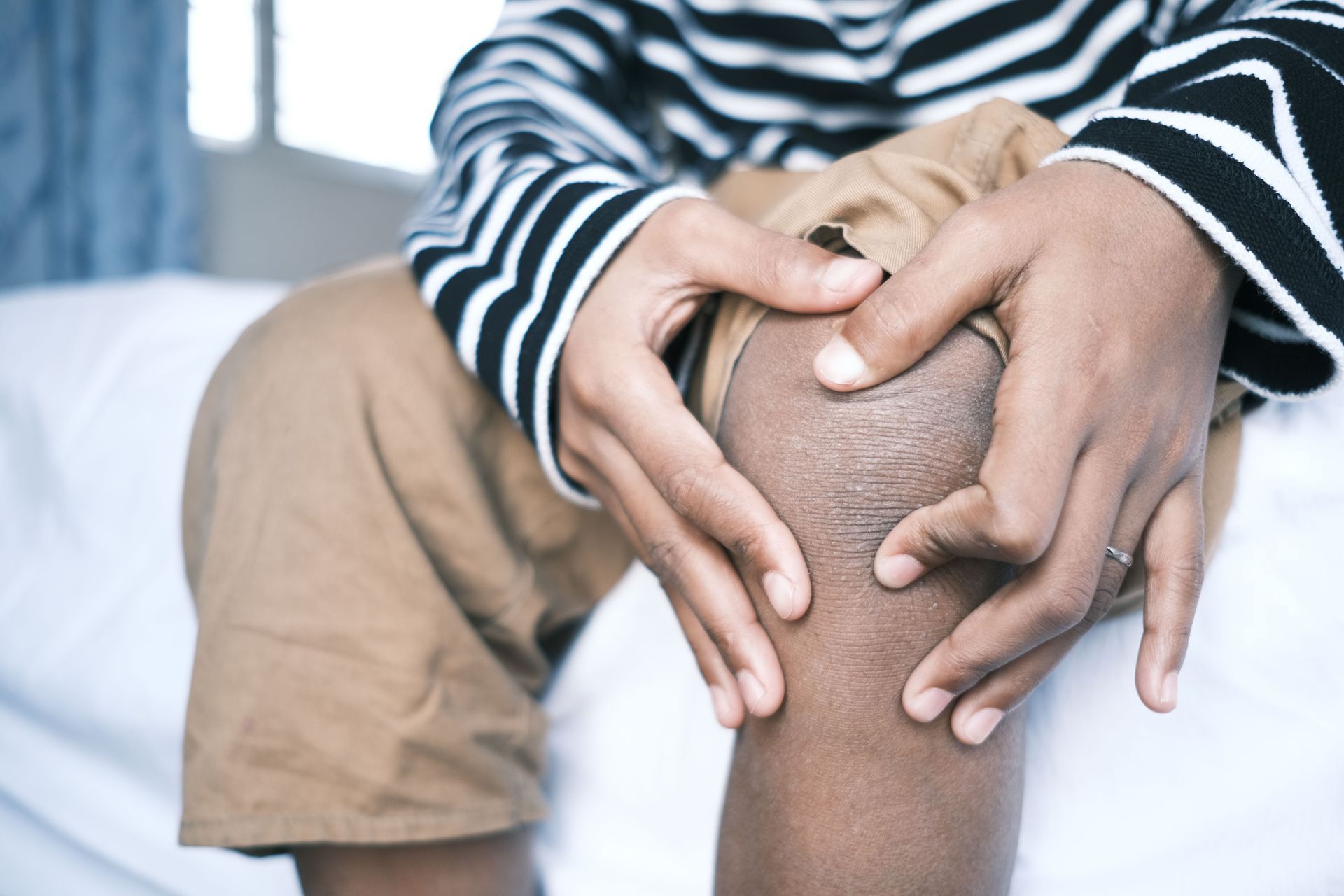
- Persistent joint swelling: Swelling, tenderness and stiffness in the joints may indicate underlying inflammation rather than ordinary physical strain.
- Prolonged morning stiffness: Difficulty moving the joints or back upon waking, particularly when it lasts for more than 30 to 45 minutes, is commonly associated with inflammatory conditions.
- Persistent lower back pain: Back pain that continues over time, especially when accompanied by stiffness and improvement with movement rather than rest, warrants assessment for inflammatory spinal disease.
- Unexplained fatigue: Ongoing, deep tiredness that interferes with everyday activities frequently accompanies chronic inflammatory conditions.
- Reduced mobility: Increasing difficulty performing normal activities, exercising or completing routine tasks should not automatically be dismissed as a normal part of ageing.
Because these symptoms are not unique to autoimmune diseases, a thorough medical assessment is essential to determine their exact cause.
Why Men Sometimes Delay Seeking Medical Attention
Social expectations strongly influence how men respond to health concerns. Many men feel pressure to appear physically strong, independent and capable of enduring discomfort without assistance. Others prioritise work, family responsibilities and financial commitments over their personal healthcare, or simply do not realise that their symptoms could signal a chronic condition.
These attitudes often lead to significant delays in seeking care. However, ignoring persistent symptoms does not make an underlying condition disappear. Early assessment helps identify the root cause of symptoms and establishes whether further investigations or a specialist referral are necessary.
Understanding the Impact of Rheumatic Diseases on Men's Lives
The effects of chronic rheumatic diseases reach far beyond physical discomfort, impacting nearly every area of a man's life. Reduced mobility and persistent pain can interfere with employment (particularly in occupations involving lifting, prolonged standing or repetitive movements) while also making it difficult to maintain regular exercise routines or participate in recreational activities.
Chronic illness can also strain relationships and affect emotional wellbeing. Men who previously enjoyed an active lifestyle may struggle to adjust to sudden changes in physical ability, and uncertainty surrounding symptoms and long-term treatment can create substantial anxiety. Addressing these broader impacts requires support that looks beyond the purely physical aspects of disease.
The Importance of Appropriate Medical Assessment
Men experiencing persistent joint pain, swelling, unexplained fatigue or recurring back stiffness should consult a qualified healthcare professional. Depending on the symptoms, an assessment typically involves a detailed medical history, physical examination, laboratory investigations and imaging.
Blood tests such as rheumatoid factor, anti-CCP antibodies and other autoimmune markers can be valuable in specific clinical situations, though no single test can identify every autoimmune rheumatic condition. Investigations are tailored to the suspected disease and the individual's clinical presentation, and referral to a rheumatologist can provide specialist diagnosis and management. Treatment varies according to the diagnosis and may combine medication, regular monitoring, physiotherapy and other supportive care. Patients should always follow the guidance of their healthcare team and avoid self-medicating or stopping prescribed treatment without medical consultation.
Building a Culture Where Men Can Ask for Support
Improving men's health requires more than simply encouraging medical appointments; families, workplaces and communities must help foster an environment where men feel comfortable discussing health concerns openly. Employers can promote occupational health awareness and encourage staff to seek medical advice when symptoms persist, while families can support men by noticing changes in their physical wellbeing and encouraging timely assessment.
Healthcare campaigns must also broaden their messaging to include conditions that traditionally receive less attention in men's health discussions. Just as importantly, men living with chronic autoimmune diseases need safe spaces to connect with peers who genuinely understand their lived experiences.
How tRi Ghana Is Making a Difference
tRi Ghana is committed to improving the lives of people affected by autoimmune rheumatic diseases through education, advocacy, research and patient support. While our work places a strong emphasis on young people and adolescents, our awareness and support initiatives recognise that autoimmune conditions affect individuals across every age group. Through Rheusolute and its condition-specific communities, individuals can share experiences, access reliable information and build supportive relationships, while our broader advocacy efforts drive greater public understanding and recognition of autoimmune rheumatic conditions across Ghana.
This November, Make Your Health a Priority
Men's health deserves consistent attention throughout the year, not only during November. Persistent joint pain, unexplained fatigue and recurring back stiffness should never be accepted as inevitable consequences of ageing or hard work. Seeking medical advice is a responsible decision, not a sign of weakness.
This Men's Month, we encourage men to learn about autoimmune rheumatic diseases, listen to their bodies and support friends and family members who may be navigating similar challenges. At tRi Ghana, we believe that awareness creates understanding, understanding inspires action and support empowers people to live fuller, healthier lives.
Join us in raising awareness of rheumatic health and building a stronger support network for everyone affected. Visit
www.trighana.org to learn more about our initiatives and support community.
Disclaimer: This article is intended for public education and should not be used to diagnose or treat a medical condition.