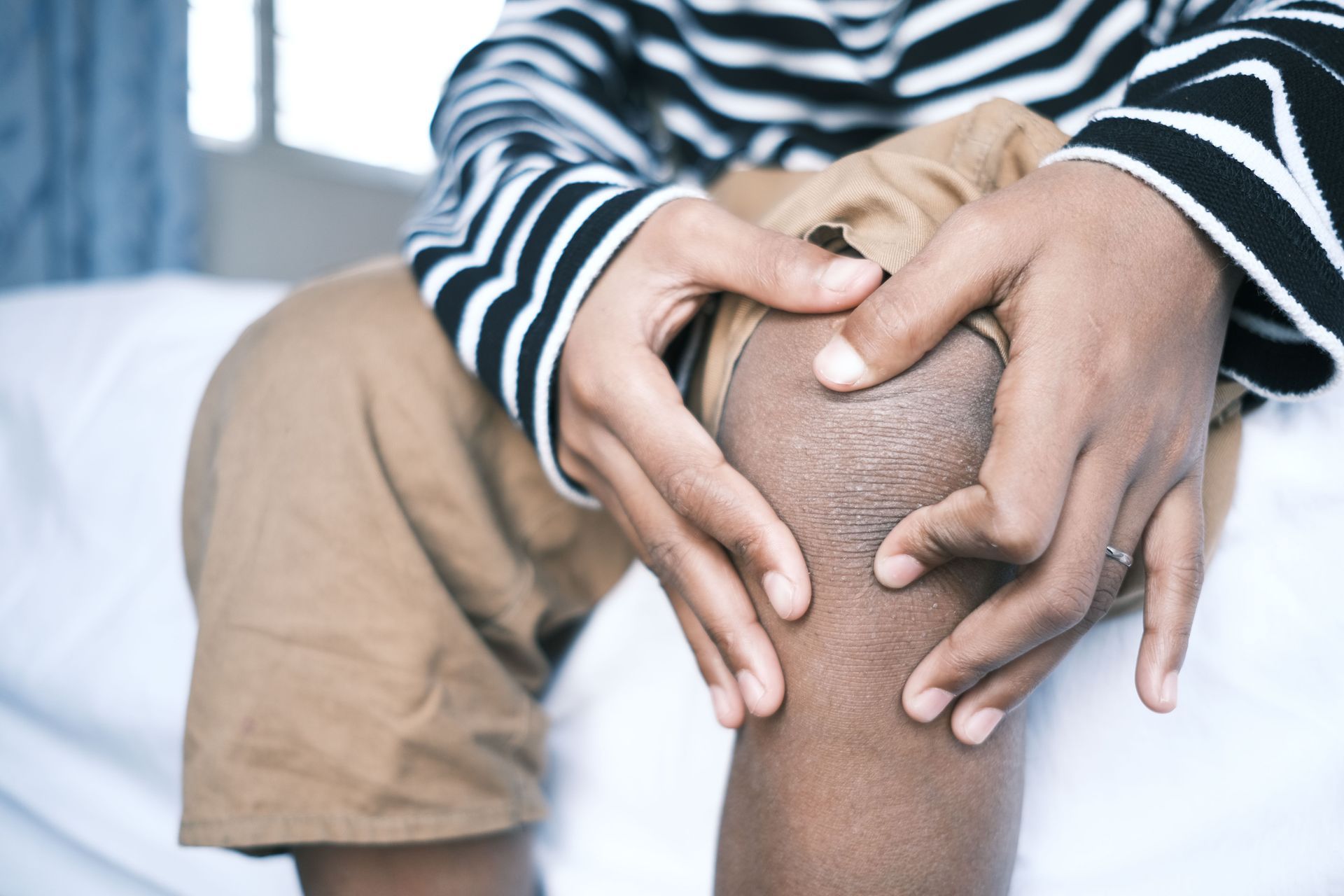
Understanding the Connection Between Physical Activity and Joint Health
Physical activity plays a vital role in maintaining healthy joints and supporting overall wellbeing.
Yet many people living with arthritis or other rheumatic conditions worry that exercise may worsen their symptoms.
In reality, appropriately tailored physical activity is one of the most effective ways to support joint function, muscle strength, flexibility, and mobility.
Regular movement helps strengthen the muscles that support joints, reducing strain and improving stability. Exercise can also help maintain a healthy weight, which decreases pressure on weight-bearing joints such as the knees, hips, and ankles.
Low-impact activities are particularly beneficial. Walking, swimming, cycling, stretching exercises, and supervised strength training can improve fitness while minimising stress on affected joints.
Physical activity also contributes to better mental health. Living with a chronic condition can be emotionally challenging, and exercise has been shown to reduce stress, improve mood, and support overall wellbeing.
The key is finding activities that match an individual's health status and physical abilities. Healthcare professionals can provide guidance on safe and effective exercise programmes.
Promoting physical activity is an important part of comprehensive rheumatic disease management. By encouraging regular movement, individuals can improve function, enhance quality of life, and maintain greater independence over time.