Why Rheumatology Awareness in Ghana Cannot Wait
As 2026 progresses, the need for increased awareness of rheumatic and musculoskeletal diseases in Ghana is becoming more urgent. These conditions, including arthritis and lupus, continue to affect many individuals, often without early diagnosis or proper management.
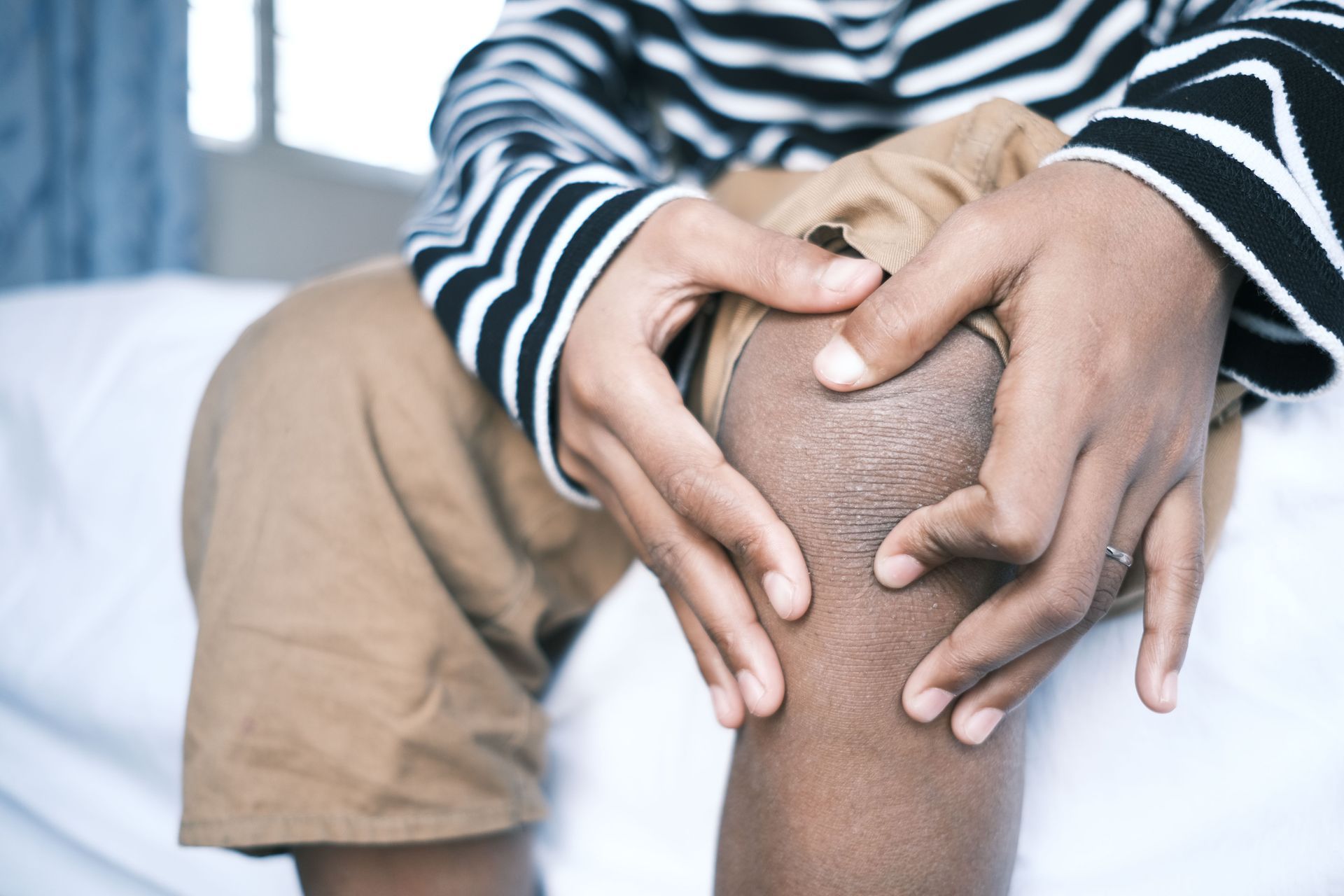
One of the biggest challenges remains late detection. Many people dismiss early symptoms such as joint pain, stiffness, or fatigue, only seeking help when the condition has progressed. This delay can lead to complications that significantly affect quality of life.
At this point in the year, there is a growing push for education and awareness campaigns. Communities are beginning to understand that these conditions are not simply part of ageing but require proper medical attention. Early diagnosis can make a significant difference in managing symptoms and preventing long-term damage.
Access to specialist care remains limited, making outreach and education even more important. Training healthcare professionals and increasing public knowledge are key steps toward improving outcomes across the country.
Another important development is the role of digital health solutions. Teleconsultations and mobile health platforms are gradually helping bridge gaps in access, particularly for individuals in underserved areas.
Lifestyle management is also gaining attention. Encouraging regular movement, balanced nutrition, and early screening can help reduce the overall burden of these conditions.
As we move into the second half of 2026, the focus must remain on action. Raising awareness, improving access, and supporting patients are critical steps toward building a stronger, more responsive healthcare system.
Rheumatology care is not just a medical issue. It is a quality-of-life issue that deserves greater attention now.